- ByteSize
- Posts
- Malware Masquerades, Intel Innovates, and Cloud Companies Cry
Malware Masquerades, Intel Innovates, and Cloud Companies Cry
AWS weekend price hikes, and saying goodbye to a Sega legend
In partnership with

It’s mid-January…the gym’s empty again and so is my will to live. But hey, at least, we got ByteSize to keep me going!
On this day, exactly 25 years ago, Bill Gates stepped aside as Microsoft CEO to let Steve Ballmer take the wheel. Gates decided to become "chief software architect" instead, which is like calling yourself "director of sandwich consumption" at lunch. He stayed in that role until 2008, probably spending most of his time figuring out how to make Windows Vista even more confusing. Meanwhile, Ballmer went on to give us legendary stage performances that made everyone question if tech CEOs should be drug tested.
Good times!
Hackers Turn Blue Screen of Death Into Blue Screen of "Please Run This Totally Legit Command"
Remember when the Blue Screen of Death was just Windows having an existential crisis? Well, cybercriminals have weaponized nostalgia harder than me seeing Gen Z-ers rock a flip phone.
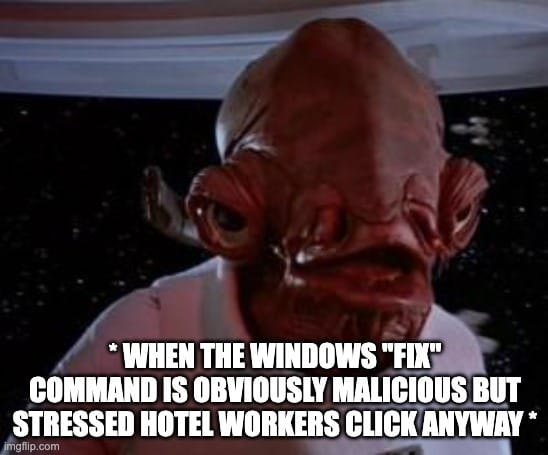
A new ClickFix campaign is targeting hospitality workers with fake Booking.com emails about reservation cancellations. The twist is that they've created convincing BSOD screens that trick victims into running PowerShell commands faster than you can say "I should have used Linux." The fake crashes instruct users to press CTRL+V to paste a "fix" command that actually downloads DCRAT malware, basically giving hackers remote access to your computer like it's their personal Netflix account.
These fake BSODs are so convincing they could fool anyone who's experienced the real Windows crashes we all know and love. The attackers even throw in a fake "Loading is taking too long" error first, since they apparently understand user frustration better than actual software developers. Once victims run the malicious command, attackers gain full system access and can drop cryptocurrency miners, because nothing says "sophisticated cybercrime" like turning someone's work computer into a digital coal mine.
The scariest part is that real BSOD screens don't offer recovery instructions, but stressed hospitality workers dealing with booking disputes might not notice that small detail while frantically trying to resolve what looks like a legitimate guest complaint.
Intel Drops New CPUs That Might Actually Let You Game Without Your Laptop Melting

Intel just unleashed their Panther Lake CPUs, marking the first time they've used their 18A process. The Core Ultra Series 3 processors promise better battery life than previous generations, though that's setting the bar roughly as high as a limbo contest in hell.
These chips pack up to 16 cores and can hit 5.1 GHz, which is impressive until you realize most of us will use that power to run seventeen Chrome tabs and cry about memory usage. Intel claims 30% better transistor density and 50% improved multithreaded performance, though they conveniently left out how this compares to just buying an actual gaming desktop instead of pretending laptops are suitable for serious work.
The real party trick is "Intelligent Display" tech that uses AI to adjust screen settings based on what you're doing. So when you walk away from your computer, it automatically dims the screen—you know, stuff that couldn't possibly have been accomplished with basic proximity sensors. It's like having Clippy, but for your display brightness, and somehow even more patronizing.
Dell's already jumping on board with new XPS models that supposedly last 40+ hours streaming video, which is either impressive engineering or creative accounting worthy of Enron.
Cloud Storage Gets Ransacked While Everyone Was Busy Worrying About AI

While we've all been distracted by ChatGPT generating terrible images of seven-fingered people, threat actors have been quietly pillaging ShareFile, Nextcloud, and OwnCloud instances like digital pirates raiding unguarded treasure ships. The Zestix group has been selling stolen corporate data ranging from aircraft manuals to government contracts—just everything except useful information about why printers never work correctly.
Hudson Rock discovered that attackers gained access through credentials stolen by info-stealing malware, some of which had been sitting in criminal databases for years. Apparently, password rotation is about as popular as pineapple on pizza in most organizations. The stolen data includes everything from defense engineering files to customer databases, proving that cloud security is still treated like an optional feature rather than a basic requirement.
What's particularly galling is that many of these breaches could have been prevented with multi-factor authentication, but that would require organizations to prioritize security over convenience. Instead, we get terabytes of sensitive data floating around underground forums because someone couldn't be bothered to set up 2FA. That’s the same as leaving your house key under a doormat labeled "DEFINITELY NOT A KEY."
⚙️ TOOL TIME
Get the investor view on AI in customer experience

Customer experience is undergoing a seismic shift, and Gladly is leading the charge with The Gladly Brief.
It’s a monthly breakdown of market insights, brand data, and investor-level analysis on how AI and CX are converging.
Learn why short-term cost plays are eroding lifetime value, and how Gladly’s approach is creating compounding returns for brands and investors alike.
Join the readership of founders, analysts, and operators tracking the next phase of CX innovation.
👨💻 JOB OPPORTUNITIES
Go sky-high with a role at the top cloud networking platform. You must speak fluent VPC and have the patience to explain why the WiFi "stopped working" when Karen unplugged the router to charge her phone.
The go-to mobile bank for your high school weed dealer needs someone who finds regulatory frameworks sexier than Ryan Gosling and can manage compliance analysts without developing a drinking problem.
If you’re looking to go B2B, Customer.io is looking for a leader who can both strategize and troubleshoot, like being Batman and Alfred simultaneously but with more Slack notifications.
The HealthTech giant is searching for the perfect person to serve as Senior Category Manager, aka someone who treats supplier negotiations like chess matches and actually enjoys reading contracts for fun.
🛩 INDUSTRY MOVES
AWS quietly raised GPU prices 15% on a Saturday because nothing says "customer-first" like surprise weekend price hikes while everyone's hung over
AMD unveiled new AI PC processors that promise 1.3x faster multitasking, though they didn't specify faster than what (possibly carrier pigeons)
Brightspeed is investigating claims that hackers stole data from 1 million customers, proving that even companies you've never heard of can disappoint you
Sega co-founder David Rosen passed away at 95, leaving behind a legacy of arcade greatness and the eternal question of why Sonic went so wrong in the 2000s

Fresh from debugging my own existential code crisis, here’s what our EE community is wrestling with this week:
Someone's trying to murder Windows sync processes harder than John Wick, but these digital cockroaches keep respawning despite registry modifications and uninstall attempts
Converting Windows 11 admin accounts to user accounts while creating new admin accounts, because Microsoft believes in making simple tasks unnecessarily complicated
A VMware cloned server is giving RDP connection errors, probably because it's having an identity crisis about whether it's the original or the copy
At a time when hackers fake BSODs and cloud security is optional, at least we can count on Intel to promise us CPUs that don't double as space heaters. Leaving now, before we get assigned another “quick side project.”
See you next week!
Enjoyed the news? Discuss over on Experts Exchange.
Got news to share or topics you'd like us to cover? Send ‘em our way by responding to this email. We can’t wait to hear from you. Really.